


-

Add: HeBei ShengShi HongBang Cellulose Technology CO.,LTD.
-

Email
13180486930@163.com -

CONTACT US
+86 13180486930
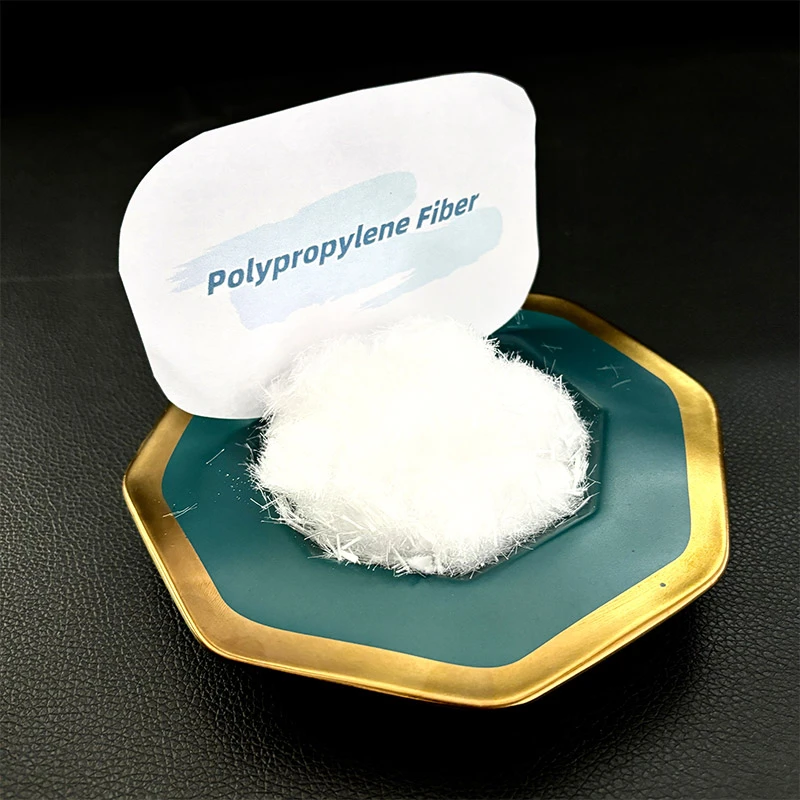


Understanding Polyolefin Fibers Properties, Applications, and Advantages Polyolefin fibers, derived from polyolefin resins, have become an integral part of various industries, ranging from textiles to automotive and construction. Polyolefins, primarily polyethylene (PE) and polypropylene (PP), are polymers characterized by their versatility, lightweight nature, and resistance to chemicals and moisture. This article delves into the properties, applications, and benefits of polyolefin fibers. Properties of Polyolefin Fibers Polyolefin fibers exhibit a range of properties that make them suitable for different applications. One of their most notable characteristics is their resistance to moisture and chemicals. Unlike natural fibers, polyolefin fibers do not absorb water, making them ideal for use in damp environments. This resistance also contributes to their longevity, as they are less prone to mildew and deterioration. Another significant property is their lightweight nature. Compared to other synthetic fibers, polyolefin fibers are less dense, which offers convenience and ease of handling, especially in textile applications. Furthermore, these fibers have excellent thermal stability, remaining effective across a broad temperature range. Their low melting point, however, requires careful handling during processing and manufacturing. Polyolefin fibers are also renowned for their tensile strength and flexibility. These attributes not only enhance their durability but also allow for a variety of weaving and knitting techniques, leading to diverse fabric textures and styles. Additionally, they exhibit colorfastness, which means that dyes and pigments adhere well to the fibers without fading over time—a crucial factor for textile manufacturers. Applications of Polyolefin Fibers The versatility of polyolefin fibers has led to their widespread adoption across various industries. In the textile sector, polyolefin fibers are commonly used to produce non-woven fabrics, geotextiles, and various clothing items. Their moisture-wicking properties make them particularly popular in activewear and athletic apparel, where breathability and comfort are paramount. fibre de polyoléfine In the automotive industry, polyolefin fibers are utilized in interior components such as seating, carpeting, and insulation. Their lightweight nature contributes to overall fuel efficiency, aligning with industry trends toward sustainability. Additionally, the fibers impart excellent sound insulation properties, leading to a quieter ride for passengers. Polyolefin fibers are also gaining traction in the construction sector. Their resistance to moisture and chemicals makes them ideal for applications in roofing, insulation, and protective coverings. Furthermore, the fibers can be incorporated into concrete to improve its tensile strength, durability, and resistance to cracking. Advantages of Polyolefin Fibers The advantages of using polyolefin fibers are numerous and compelling. First and foremost, they offer excellent cost-effectiveness. As one of the most produced synthetic fibers globally, polyolefins are readily available and can be manufactured at a lower cost compared to other materials. Additionally, the sustainability aspect of polyolefin fibers is gaining attention. While traditional plastics pose environmental concerns, the recycling and reuse potential of polyolefins can mitigate some of these issues. Many polyolefin products are now being designed with recyclability in mind, contributing to a more circular economy. Another significant advantage is the low maintenance required for polyolefin-based products. Fabrics made from these fibers are easy to clean, resistant to stains, and retain their original properties even after multiple washes. This reduces the need for harsh cleaning products, further supporting environmental sustainability. In conclusion, polyolefin fibers present a wealth of benefits that cater to various industries, from textiles to automotive and construction. Their unique properties, such as chemical and moisture resistance, lightweight nature, and long-term durability, make them an attractive option for manufacturers looking to innovate and optimize their products. As sustainability continues to gain importance in material selection, the role of polyolefin fibers is likely to expand, paving the way for more eco-friendly and efficient solutions in the future.
- 40000tons

Production
- 20+years

Experience
- 5000+㎡

Acreage

-
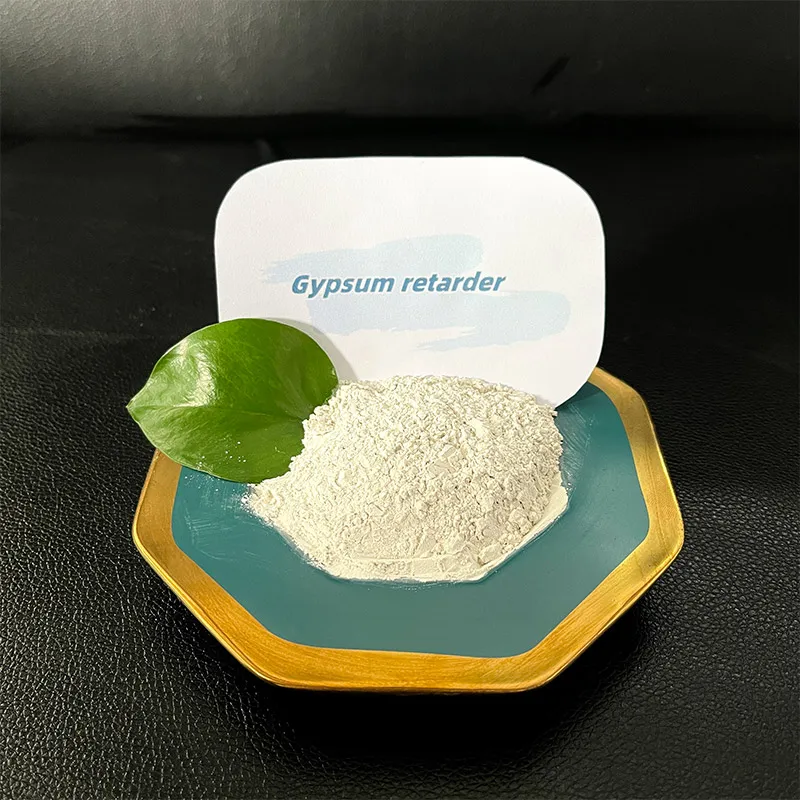
In the world of plastering and construction, achieving optimal working time and preventing premature setting are crucial factors for ensuring high-quality results. One of the most effective solutions is the use of cream of tartar plaster retarder . This naturally occurring substance is increasingly being utilized in the formulation of gypsum-based products due to its ability to extend working time, improve the application process, and maintain the consistency of plaster during drying. In this article, we will explore the importance of cream of tartar plaster retarder and other key retarders in gypsum products , and how these additives are transforming the plastering industry. Why Cream of Tartar Plaster Retarder is Essential in Gypsum-Based Products Cream of tartar plaster retarder plays a vital role in gypsum-based products, particularly in extending the workability of plaster. Gypsum, a commonly used material in construction, sets quickly once mixed with water. While this rapid setting is beneficial in certain applications, it can be problematic when more time is needed to apply the plaster evenly or when working with intricate designs. By incorporating cream of tartar plaster retarder into the mix, the setting time is slowed, allowing plasterers more flexibility to work with the material before it hardens. This retarder works by delaying the crystallization process of gypsum, which is responsible for its quick setting. With a cream of tartar plaster retarder , contractors can achieve a smooth, uniform finish with less pressure and more time to adjust the plaster before it begins to set. This is especially beneficial in larger or more complex projects, where detailed craftsmanship is required, ensuring that the plaster doesn’t dry too fast before it can be applied correctly. The Benefits of Using Extra Time Plaster Additive in Large-Scale Projects An extra time plaster additive is a key tool for ensuring that plaster sets at a controlled rate, which is particularly useful in large-scale or intricate projects. Large surfaces, such as ceilings or walls in commercial buildings, require a more extended working period to apply the plaster evenly. In such cases, an extra time plaster additive allows workers to apply the plaster smoothly without worrying about it drying out too quickly. By adding extra time plaster additive to the gypsum mix, you can ensure that the material remains workable for longer periods. This can make a significant difference in ensuring that the plaster adheres properly and does not form unsightly cracks or imperfections during the drying process. Moreover, the longer workability period enhances the efficiency of the entire plastering team, as it reduces the need for constant re-mixing of the product and provides more time to apply the material precisely. Another key benefit is the reduction of waste. When working under time constraints, contractors often find themselves discarding large amounts of plaster that have hardened prematurely. The use of extra time plaster additive minimizes this issue, ensuring that the plaster remains usable for extended periods without the need for frequent remixes. Understanding the Role of Gypsum Retarder Chemicals in the Construction Industry Gypsum retarder chemicals are essential additives in the construction industry, especially when working with gypsum products like plaster, drywall, and cement. These chemicals serve to delay the setting time of gypsum, ensuring that the material remains malleable and workable for longer. Gypsum itself is a fast-setting material, which can be advantageous in some applications but challenging in others. By incorporating gypsum retarder chemicals , contractors can optimize the workability and overall finish of the product, reducing the risk of defects caused by premature setting. Retarder chemicals work by inhibiting the formation of crystals within the gypsum mix. This allows workers to apply the product more evenly and with more control, particularly in situations that require precise application, such as when smoothing out surfaces or forming intricate details. In the case of gypsum retarder chemicals , the goal is to extend the open time of the product without compromising its final strength or durability. Additionally, gypsum retarder chemicals help to improve the overall quality of gypsum-based products by ensuring that they have a uniform texture and finish. This is especially important in high-demand environments such as commercial or residential construction, where the appearance and durability of the final product are critical. The Importance of Retarders in Gypsum Products for Quality Control Retarders in gypsum products are a crucial part of quality control in construction and plastering. These additives are used to adjust the setting time of gypsum, ensuring that the material remains workable and easy to manipulate until the desired finish is achieved. Without retarders, gypsum-based products would set too quickly, leading to uneven application, poor bonding, and an overall inferior finish. The use of retarders in gypsum products improves the consistency and reliability of plaster and other gypsum-based materials. Whether it’s for large-scale construction projects or smaller renovations, the ability to control the setting time of gypsum is invaluable. For example, during the application of plaster on complex surfaces or for detailed architectural features, a longer working time is essential. This is where retarders in gypsum products come into play—allowing workers to apply the product smoothly and with precision, avoiding issues such as cracking or difficulty in finishing. Moreover, retarders in gypsum products can enhance the sustainability of the project by reducing waste. Faster setting times often lead to excess material being discarded as it hardens before it can be applied. Retarders help extend the usability of gypsum, minimizing this issue and promoting a more efficient and cost-effective process. The use of cream of tartar plaster retarder , extra time plaster additives , and gypsum retarder chemicals is essential in the production of high-quality gypsum-based materials. These additives not only improve the workability and flexibility of plaster but also ensure that it sets at a controlled rate, providing contractors with the time needed to achieve a perfect finish. Whether for large-scale construction or intricate plastering tasks, retarders play an integral role in extending working time, preventing premature setting, and improving the overall quality of the product.
-
HPMC, hay còn gọi là Hydroxypropyl Methylcellulose, là một chất phụ gia thực phẩm với số E là E464 . Nó đóng vai trò quan trọng trong việc cải thiện đặc tính của các sản phẩm thực phẩm và công nghiệp. Để hiểu rõ hơn về chất này, chúng ta cần xem xét nó từ góc độ uy tín, kinh nghiệm thực tế và chuyên môn kỹ thuật. Trước hết, với kinh nghiệm từ nhiều năm nghiên cứu và ứng dụng trong ngành thực phẩm, HPMC là một polymer cellulose không ion, tan trong nước và có khả năng tạo gel ở nhiệt độ cao. Điều này có nghĩa là khi được thêm vào một sản phẩm, HPMC có thể tăng cường độ dày, độ bền và tính ổn định mà không ảnh hưởng đến hương vị hoặc giá trị dinh dưỡng của sản phẩm. Tôi đã thấy sự khác biệt rõ rệt khi sử dụng HPMC trong các sản phẩm từ bơ sữa đến bánh kẹo và thậm chí là đồ uống. Chuyên môn về HPMC cũng rất quan trọng vì không phải nhà sản xuất nào cũng biết cách sử dụng nó hiệu quả. Với những hiểu biết sâu rộng trong lĩnh vực này, HPMC không chỉ được sử dụng trong thực phẩm mà còn trong các ngành công nghiệp khác như dược phẩm, mỹ phẩm và cả xây dựng. Nó hoạt động như một chất ổn định, chất làm đặc và chất liên kết trong các viên thuốc, giúp tăng cường độ nhớt trong mỹ phẩm, và thậm chí còn được sử dụng như một tác nhân chống lại hiện tượng chảy xệ trong vật liệu xây dựng. Một trong những trải nghiệm đáng chú ý mà tôi từng có là trong quá trình cải tiến một công thức bánh ngọt. Chúng tôi đã thêm một lượng nhỏ HPMC và nhận thấy rằng độ xốp của bánh được cải thiện đáng kể. Nếu không có HPMC, sản phẩm có thể dễ bị vỡ khi đóng gói và vận chuyển. Thông qua nghiên cứu và thử nghiệm, kết quả cho thấy sản phẩm có hạn sử dụng dài hơn mà không cần đến các chất bảo quản nhân tạo. hpmc số Tuy nhiên, không thể không nhắc đến độ tin cậy và tính hợp pháp của HPMC trên thị trường. Nó đã được Tổ chức Lương thực và Nông nghiệp của Liên Hiệp Quốc và Tổ chức Y tế Thế giới công nhận là an toàn khi sử dụng trong thực phẩm. Một điểm nổi bật là HPMC không bị biến đổi về mặt sinh học trong cơ thể, điều này làm cho nó trở thành một sự lựa chọn an toàn cho tất cả các loại hình tiêu dùng. Về tính chuyên môn, HPMC có khả năng chịu được điều kiện môi trường khắc nghiệt, từ nhiệt độ cao đến độ ẩm thấp, khiến nó trở nên đặc biệt hữu ích trong việc duy trì tính toàn vẹn của sản phẩm dưới các điều kiện vận chuyển và lưu trữ khác nhau. Kinh nghiệm từ các chuyên gia cho thấy rằng việc tích hợp HPMC vào sản xuất không chỉ giúp cải thiện chất lượng mà còn tối ưu hóa chi phí thông qua việc giảm thất thoát và cải thiện hiệu suất quy trình. Cảm giác an toàn là điều tối quan trọng khi đề cập đến HPMC từ góc độ người tiêu dùng. Được sản xuất dưới dạng bột mịn, không màu và không mùi, HPMC hoàn toàn không làm thay đổi cảm giác và mùi vị của sản phẩm. Điều này tạo ấn tượng rằng các sản phẩm có chứa HPMC vẫn giữ được bản chất tự nhiên của chúng mà không cần đến bất kỳ chất hóa học nào có thể gây hại. Tóm lại, HPMC với số E là E464 là một yếu tố kỳ diệu trong việc tối ưu hóa sản phẩm. Với sự kết hợp giữa kinh nghiệm thực tế, chuyên môn cùng độ tin cậy cao, các sản phẩm có chứa HPMC không chỉ phù hợp với tiêu chuẩn công nghiệp mà còn đáp ứng được những yêu cầu khắt khe của người tiêu dùng hiện đại.
advantages
-

200000 Viscosities
Excellent product
We can produce pure products up to 200,000 viscosities
-

40000 tons
High yield
We don’t stop production all year round, and the annual output can reach 40,000 tons
-

24 hours
Quality service
We provide 24-hours online reception service, welcome to consult at any time
———— Inquiry Form
Schedule A services


-
 is_hpmc_safe
Oct . 25, 2025
Hydroxypropyl Methylcellulose (HPMC) is a multifaceted compound that has garnered significant attent - what_are_polypropylene_fibers
Oct . 25, 2025
China, often regarded as the world's factory, boasts an enormous and diverse manufacturing sector th -
 absorbent_polymer_powder
Oct . 25, 2025
HPMC Dextran is the innovative addition to the pharmaceutical excipients' domain that is capturing s


